
 English
 فارسی
فارسی 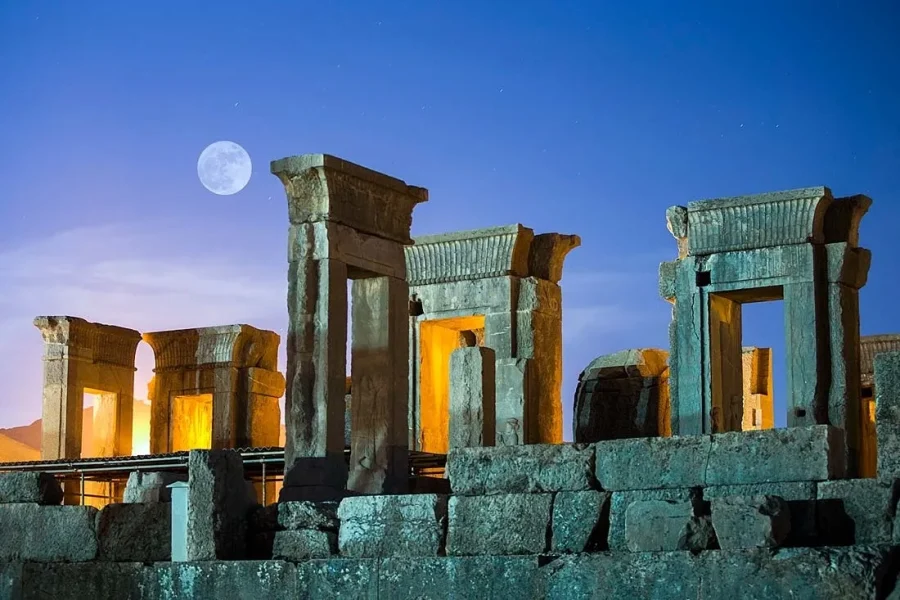

- An ancient and magnificent city that was the ceremonial capital of Iran during the Achaemenid era and thousands of people from inside and outside the country travel to Shiraz every year to visit it, this is Persepolis, a symbol of splendor, power and beauty in ancient Iran
- Persepolis, with its diverse and extensive architecture, depicts the rich history of Iran and of course the great ability of Iranian engineers
- One of the most striking features of Persepolis is its area of approximately 125 thousand square meters and the inscriptions, paintings and ancient artifacts that can be found in few places.
- The inscriptions found in Persepolis provide us with valuable information about the rich and fruitful history of Iran. In addition, the extraordinary architecture of this complex demonstrates the great ability and art of Iranian architects
- It is interesting to know that in the design of this complex, one can easily see the traces of the culture and art of other peoples such as the Medes, Babylonians, Greeks and Egyptians because in the past they were all under the domination of the Achaemenids
- Founders and Builders During the Achaemenid reign, many kings ruled the throne of Persepolis. The reign of Darius the Great lasted 36 years. After that, other people including Xerxes, Ardashir I, Darius II, Ardashir II, Ardashir III and Darius III ruled the Persians
- The Destruction of Persepolis During the years 499 to 449 BC, a fierce war broke out between the Iranians and the Greeks. Finally, in 330 BC, Alexander the Great ended the illustrious rule of the Achaemenids by marching on Marvdasht and burning Persepolis
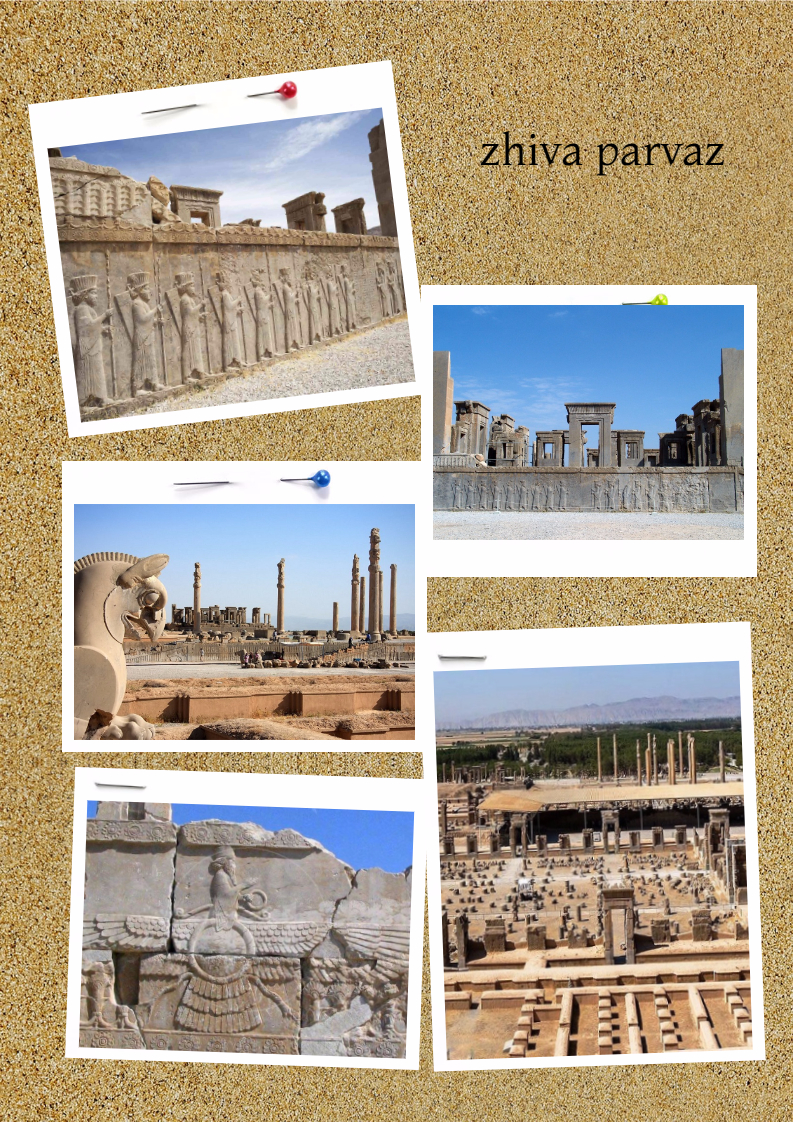
- Entrance Staircase and Gate of Nations In the northwest part of Persepolis, two rows of 111 steps with a large width and a low height (10 cm) are located opposite each other, which will undoubtedly amaze you at the very first moment. After walking up the 111 steps and viewing the various designs, we reach the “Gate of Nations”, which is also known by other names such as “Great Gate” and “Xerxes’ Gate”. The Gate of Nations is 10 meters high and although most of it is now destroyed, it seems to have had one entrance and two exits
What stands out more than anything here is the design of winged men and human-headed bulls on the gates
- Apadana Palace (Great Public Hall)
Apadana is one of the oldest palaces in Persepolis and the largest structure in this historical monument. Its construction began on the orders of Darius the Great to hold Nowruz celebrations and receive representatives of other countries and was completed during the reign of Xerxes. The area of the Apadana Palace reaches 12,000 square meters and according to available evidence, there were 72 stone columns in the corners of this palace. Today, only 14 of the total 72 columns remain standing - The Palace of One Hundred Columns
In the central hall of this palace, 100 14-meter columns were used to support the roof, and for this reason it is referred to as the “largest covered hall in the world.” In terms of size, the Palace of One Hundred Columns is considered the second largest palace in Persepolis
“This is the name of the exclusive palace of Darius the Great. Researchers have found an inscription on one of the inscriptions with the following content: “I, Darius, built this palace.” - The Palace of Hadish
In the southernmost and of course the highest part of the Persepolis, a palace called “Hadish” can be found, which had 36 columns in its main hall. Haddish Palace was one of the places that suffered the most damage in the fire, and the yellow color of the stones indicates that the water inside them had run out due to the extremely high heat. Some believe that this palace was the starting point of the fire - Geographic Location
Persepolis is located in Fars Province, about 10 km northeast of Marvdasht, at the foot of Mount Rahmat. - Key Features
Emphasis on peace and dignity rather than war
Depictions of 23 different nations, each shown with their own attire and gifts
- Important symbols
Lion and bull (cosmic cycles and royal power)
Lotus flower (peace and friendship)
Faravahar (divine support)
- Economy and Daily Life
Archaeological findings show
Workers at Persepolis received wages, meaning they were not slaves
Rations, salaries, and benefits for men, women, and children were recorded in administrative tablets
Skilled laborers from various nations contributed to construction
These documents reveal one of the most advanced administrative systems of the ancient world
Registered in UNESCO
Persepolis is a huge and magnificent building from the Achaemenid government and one of the works registered in Iran by UNESCO, which is considered one of the most popular visits on the tour of Fars province and in addition to its national importance, it also has global importance. Visiting it recalls the splendor and grandeur of the Achaemenid era, and seeing all this beauty, authority, elegance, and grandeur touches the heart of every visitor.
.stay with Zhiva Parvaz to explore the top attractions of the great city of shiraz. If you want to travel to shiraz, please visit the tours section of the site
0 Comment