
 English
 فارسی
فارسی 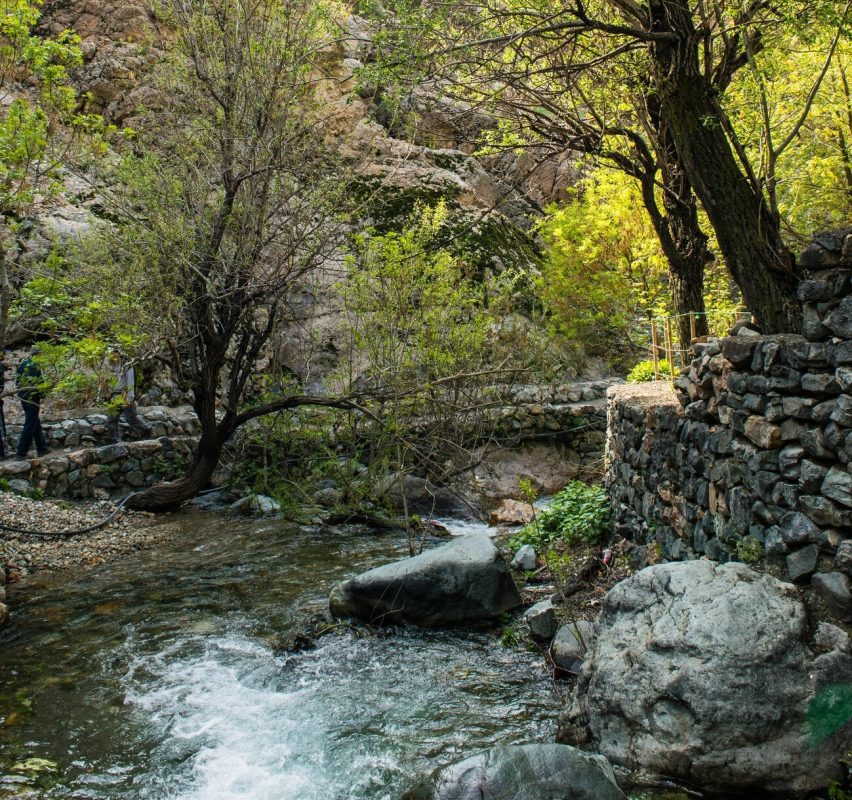

A Complete and Comprehensive Article About Darakeh, Tehran
Introduction and Geographic Location
Darakeh is located in the northwest of Tehran, on the slopes of the Alborz mountain range, and is considered one of the pleasant and green highland areas of Shemiran. It lies in District 1 of Tehran Municipality and borders the Ovin neighborhood on the south. The name “Darakeh” means “small valley”; “Dar” is a variation of “valley” and “keh” is a diminutive suffix in Persian. The valley is about 6 km long, with significant elevation changes that lead to diverse microclimates along the trail
History and Background
Darakeh has an approximate history of 800 years and dates back to around the 5th century AH (Islamic calendar). Historically, its residents were farmers and gardeners. Over time, due to the existence of a local shrine and suitable mountain trails, the area became a popular recreational and hiking destination
Attractions and Activities
Nature Trails & Hiking Routes
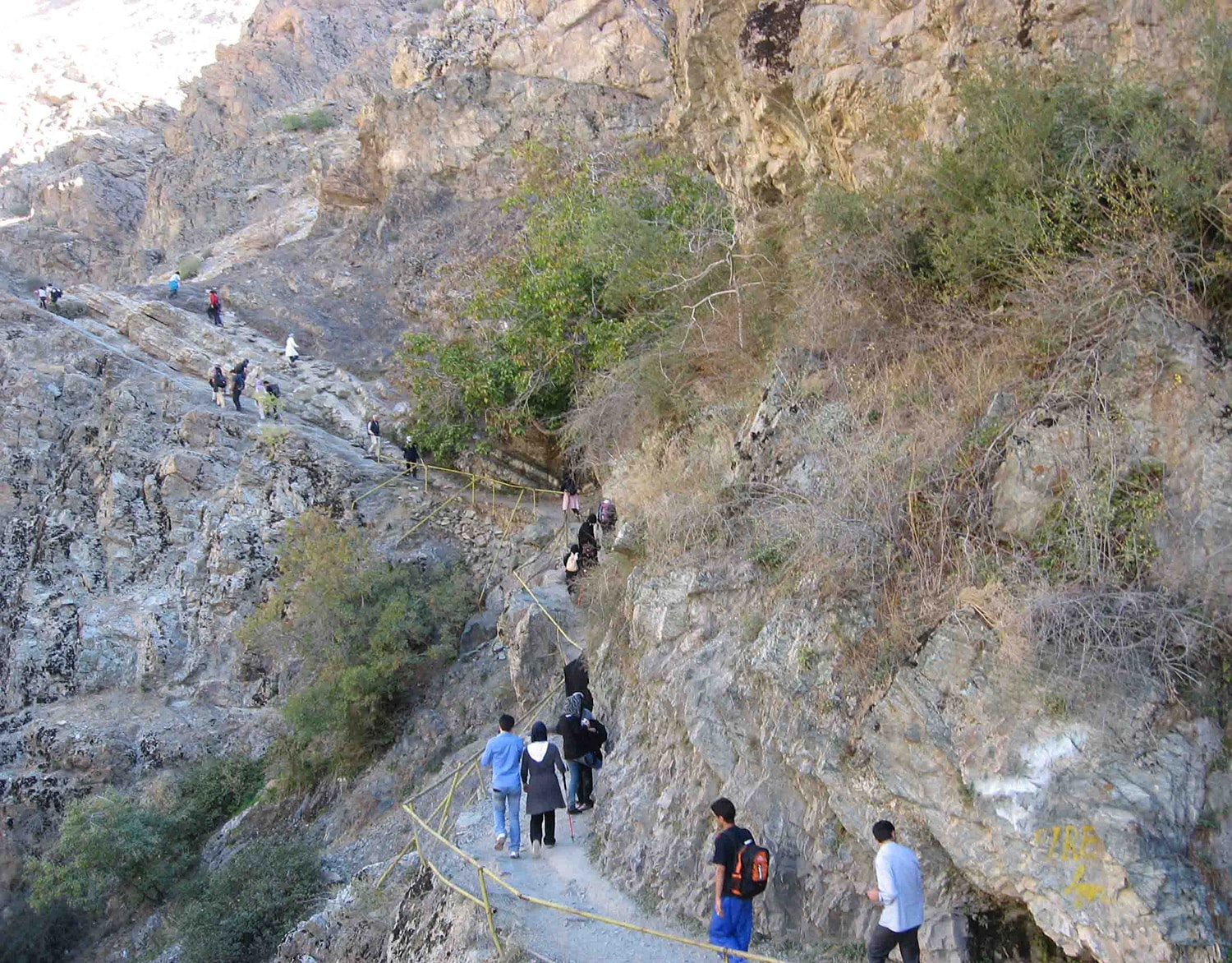
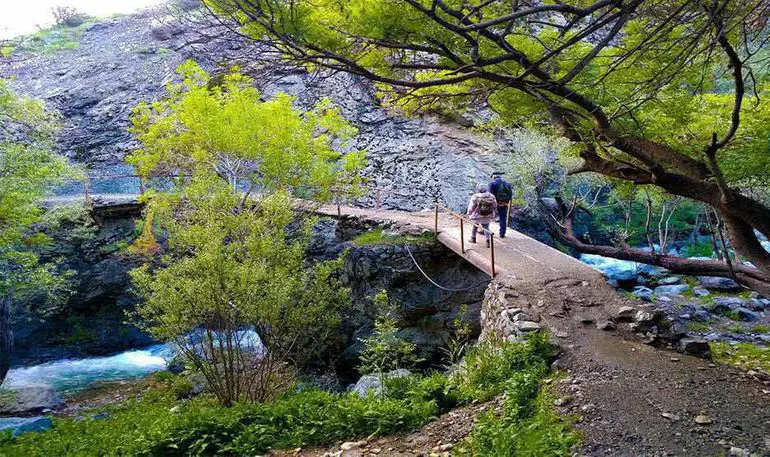
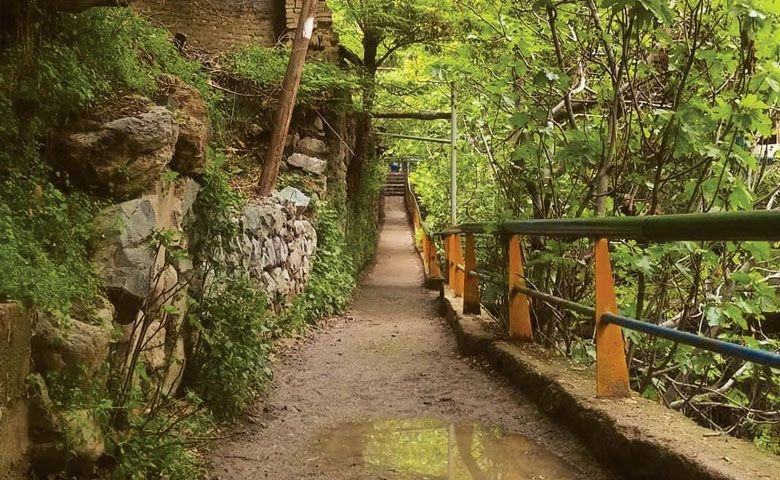
The main hiking path begins at Darakeh Square and follows the valley alongside the river, eventually leading to Pelangchal Shelter To reach the hidden forest known as Kara Forest, hikers must follow the Pelangchal route and continue trekking for about 40 minutes; this area is especially beautiful in autumn. The trail is generally suitable for individuals with different levels of physical ability; compared to other northern Tehran routes, the Darakeh trail is considered smoother and more moderate
Recreation & Facilities
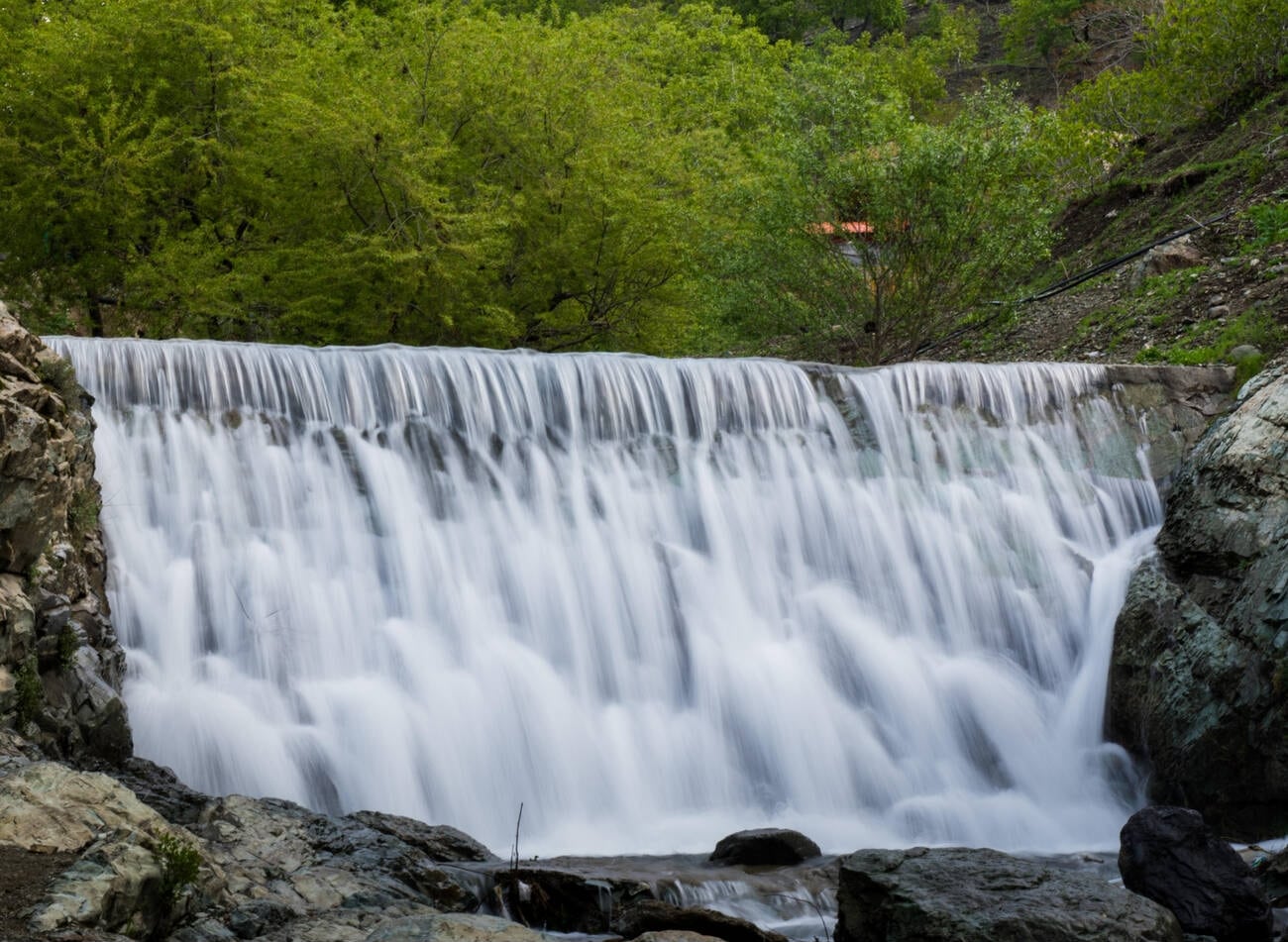
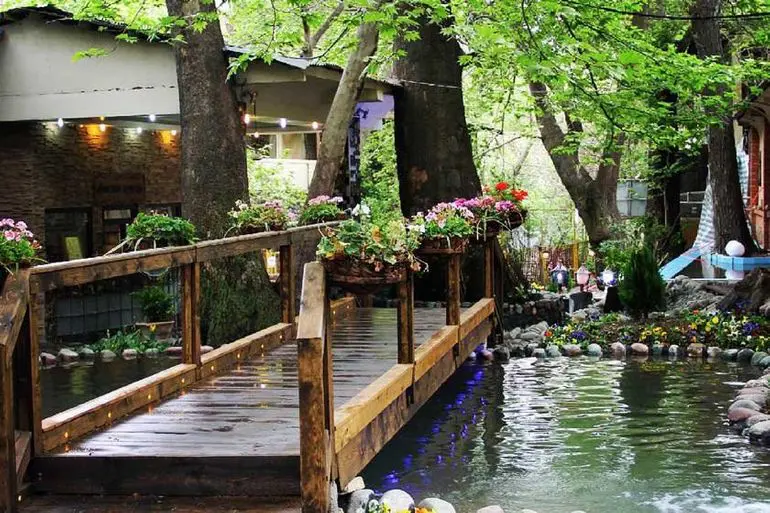
At Darakeh Square and along the trail, shops and stalls offer local products, including seasonal fruits grown in nearby orchards. There are cafés and traditional-style restaurants, some with gazebos and scenic river views. The area is rich with riverside scenery, rocky paths, and natural viewpoints perfect for relaxation and photography. “Haft Hoz Waterfall” is one of Darakeh’s attractions, located along the hiking path, featuring natural pools and restaurants nearby
Transportation and Accessibility
The closest metro station is Tajrish (Line 1 of the Tehran Metro). From there, taxis and buses provide access to Darakeh Square. BRT (Bus Rapid Transit) services also operate, though the area becomes crowded and occasionally congested on weekends and holidays. Private car access is possible, but parking is limited near the entrance; starting early in the morning is recommended
Safety Tips and Visitor Guidelines
Tip Description
Best Time to Visit Spring and summer for cooler weather; autumn for colorful scenery. Necessary Gear Proper hiking shoes, seasonal clothing, and drinking water. For higher routes, mountaineering gear is recommended. Crowds Weekends and holidays are busy; for a quieter experience, visit early mornings or weekdays. Environmental Care Keep the trail clean, stick to designated paths, and avoid risky side trails
Living in Darakeh
Beyond being a hiking destination, Darakeh also functions as a residential neighborhood with traditional architecture and garden houses nestled in nature. Housing prices vary depending on proximity to green areas and the traditional urban layout
Comparison With Similar Areas
For nature lovers in Tehran, Darakeh is considered one of the top choices. Compared to other northern Tehran hiking routes, it is generally more moderate and offers better facilities along the way
.stay with Zhiva Parvaz to explore the top attractions of the great city of Tehran. If you want to travel to Tehran, please visit the tours section of the site
0 Comment