
 English
 فارسی
فارسی 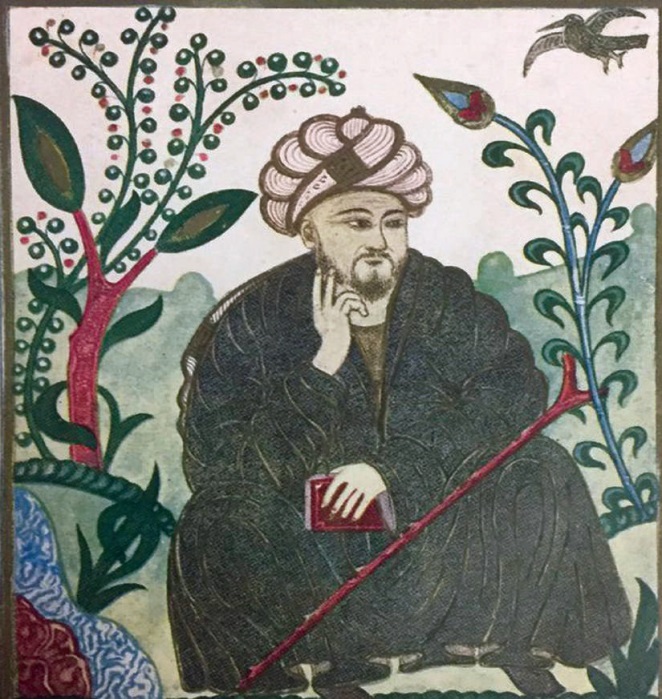

Abu Nasr Muhammad ibn Muhammad Farabi, known as Farabi, was born around the year 257 AH / 870 AD in the village of “Wasij” from the region of Farib in present-day Afghanistan. His father, “Muhammad ibn Ouzlugh,” was one of the commanders of the Samanid army
Farabi was unparalleled in various sciences. So much so that he wrote a book on each science of his time, and from his books, it is evident that he possessed great skill in the sciences of language, mathematics, alchemy, astronomy, military sciences, music, natural sciences, theology, civil sciences, jurisprudence, and logic
Celebration of Farabi
The Deputy Researcher of the Association of Cultural Works and Personalities said in an interview with the cultural reporter of Irna, referring to the registration of November 21 (30 Aban) as the
day of honoring Farabi in the calendar, that considering November 21 is World Philosophy Day and given Farabi’s personality and the fact that he is referred to as the Second Teacher
Our suggestion was to designate this day as the Day of Wisdom and Philosophy in honor of Farabi, and for this reason, November 21 was proposed as National Day of Wisdom and Philosophy and to celebrate Abū Nasr Al-Fārābī by the Association of Cultural Works and Luminaries, and it was also presented and approved in the Supreme Council of the Cultural Revolution


0 Comment