
 English
 فارسی
فارسی 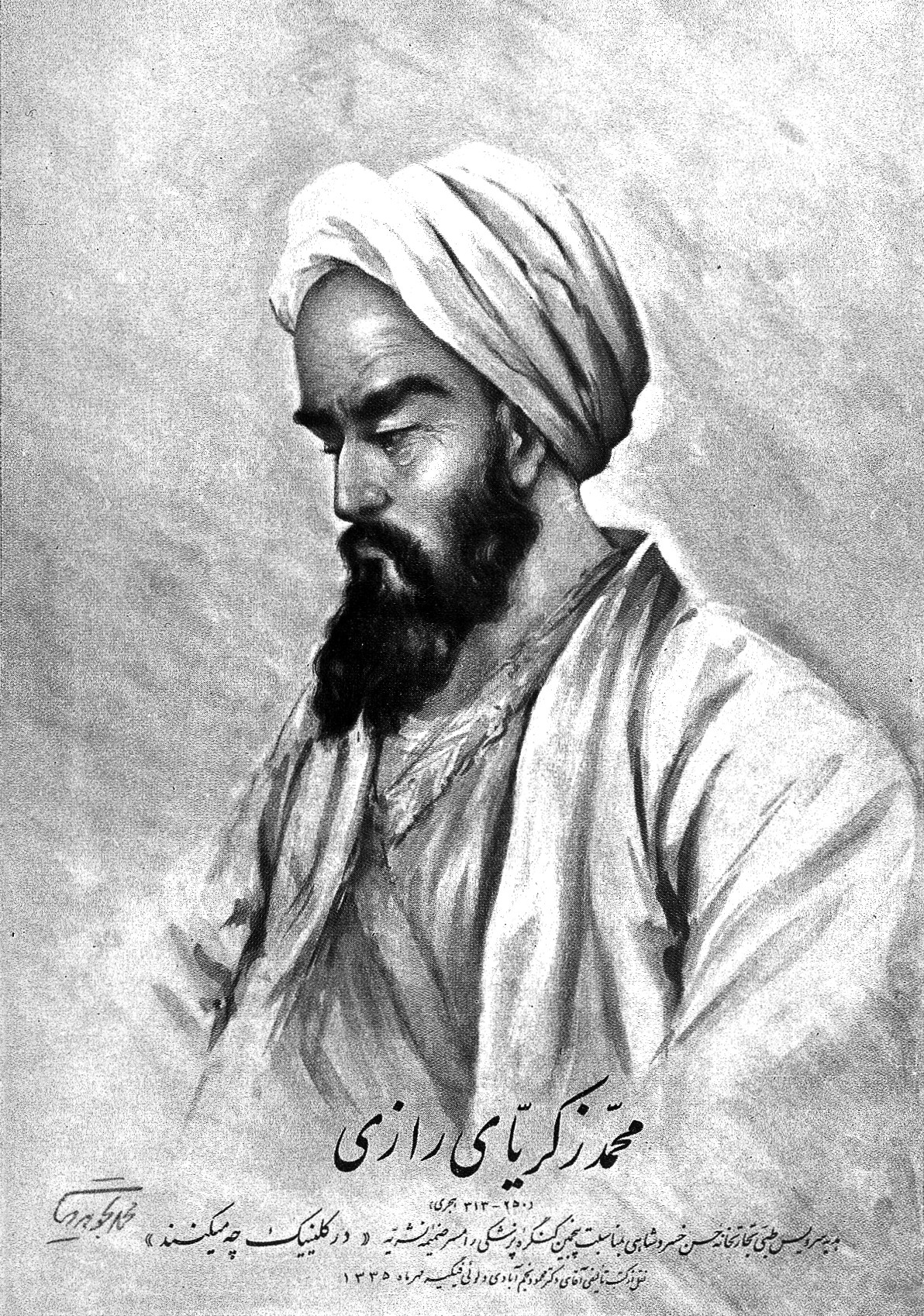

Abu Bakr Muhammad ibn Zakariya al-Razi, or Zakariya al-Razi (251 AH – 313 AH), was an all-rounder, physician, philosopher, pharmacist, and chemist from Iran. Razi wrote lasting works in the fields of medicine, chemistry, and philosophy, and he is known as the discoverer of alcohol, sulfuric acid, and kerosene. He also has valuable works on cosmology, logic, and mathematics
In recognition of the great efforts of Razi in pharmacy in Iran, the fifth of Shahrivar (August 27) has been designated as the commemoration day of Razi, the great Iranian chemist, and Pharmacy Day
According to Abu Rayhan al-Biruni, he was born in the month of Sha’ban in the year 251 Hijri (865 AD and 244 Solar) in Ray, and his childhood, adolescence, and youth were spent in this city. It is popularly said that in his youth he played the oud and sometimes composed poetry. Later, he turned to goldsmithing and then to alchemy. In his later years, he studied medicine. Al-Biruni believed that he initially engaged in alchemy, and after his eyes were damaged due to excessive work with sharp and pungent substances, he turned to medicine for treatment of his eyes
Razi became blind in the later years of his life. There are various narratives regarding the cause of his blindness; Biruni attributes Razi’s blindness to constant work with chemical substances such as mercury vapor
Razi passed away in the year 313 (Hijri) (304 Solar) in Ray. The main location of Razi’s tomb remains unknown to this day
Razi was a great physician and had a remarkable reputation in his time. Razi is among the physicians whose some beliefs, particularly in treating patients with liquids and food, are still used in modern treatments
Razi is the first person to have made a distinguishing diagnosis between smallpox and measles. In his book on smallpox and measles, he addressed the cause of smallpox and identified its transmission as being caused by a yeast factor through the blood
Razi considered excessive use of medicine to be very harmful. He believed that treatment should, as much as possible, be with food. Otherwise, simple single medicine should be used, and if that is not effective, a combined medicine should be used. Razi says: whenever a physician succeeds in treating illnesses with food, he has achieved happiness
Although Razi is recognized as a physician, some historians refer to him as a surgeon. From the study of his works, it appears that he was an expert in surgery
Razi is one of the first individuals who strongly emphasizes the role of food in health and healing. Razi has a book about food called “The Benefits of Food and Their Harms,” which is a complete course on food hygiene. In it, he discusses the properties of wheat and other legumes, the benefits and harms of various waters, wines, non-alcoholic beverages, fresh and dried meats, fish, and more. There is a section on the causes and aspects of appetite, food digestion, exercise, digestible foods, dietary restrictions, and poisonings
The first exclusive and independent work concerning childhood diseases is attributed to Muhammad ibn Zakariya al-Razi. Therefore, some, like Cyril Algood, have regarded him as the father of pediatric medicine
Chemistry and Pharmacy
Philosophy
Cosmology
The Tomb of Razi
One of the topics discussed at the seminar on Alchemy (February 9 and 10, 1995) was the burial place of Muhammad ibn Zakariya al-Razi. Writers like Bijan Shahrami believed that the historical site of Toghrul Tower is likely his tomb
Ahmad Abu Hamzah, an alchemist, considers that Razi’s burial place is in the Imamzadeh Shoaib located in Firoozabad, Shahr-e Rey

0 Comment