Welcome to the most amazing city of ancient northwestern Iran. This is Zanjan, a city full of attractions. With its rich history and civilization, this city boasts numerous historical and natural monuments, including Zanjan Bazaar, the longest bazaar in Iran, dating back to the Qajar era.
The Soltaniyeh Dome is one of the grand and magnificent structures of the Ilkhanate Empire. This monument is the third-largest historical brick structure in the world, after the Santa Maria del Fiore Cathedral in Florence, Italy, and the Hagia Sophia Mosque in Istanbul, and is also registered as a UNESCO World Heritage Site.
Zanjan's ancient cultural and historical background has been the birthplace of many great scholars and thinkers in Iranian history. Shahab al-Din Suhrawardi, known as the founder of the Illuminationist (Ishraqi) School, hailed from this region.
Zanjan is also considered the capital of Iran's metal handicrafts. Among its most important traditional crafts are:
Filigree (Mina-kari)
Embroidery
Knife-making
Coppersmithing
This city, with its unique blend of history, art, and culture, offers an unforgettable journey into Iran's glorious past. Zanjan is located in a very cold, mountainous region and has a dry and cold climate.
Historical monuments:
Zanjan Bazaar, the longest covered market in Iran
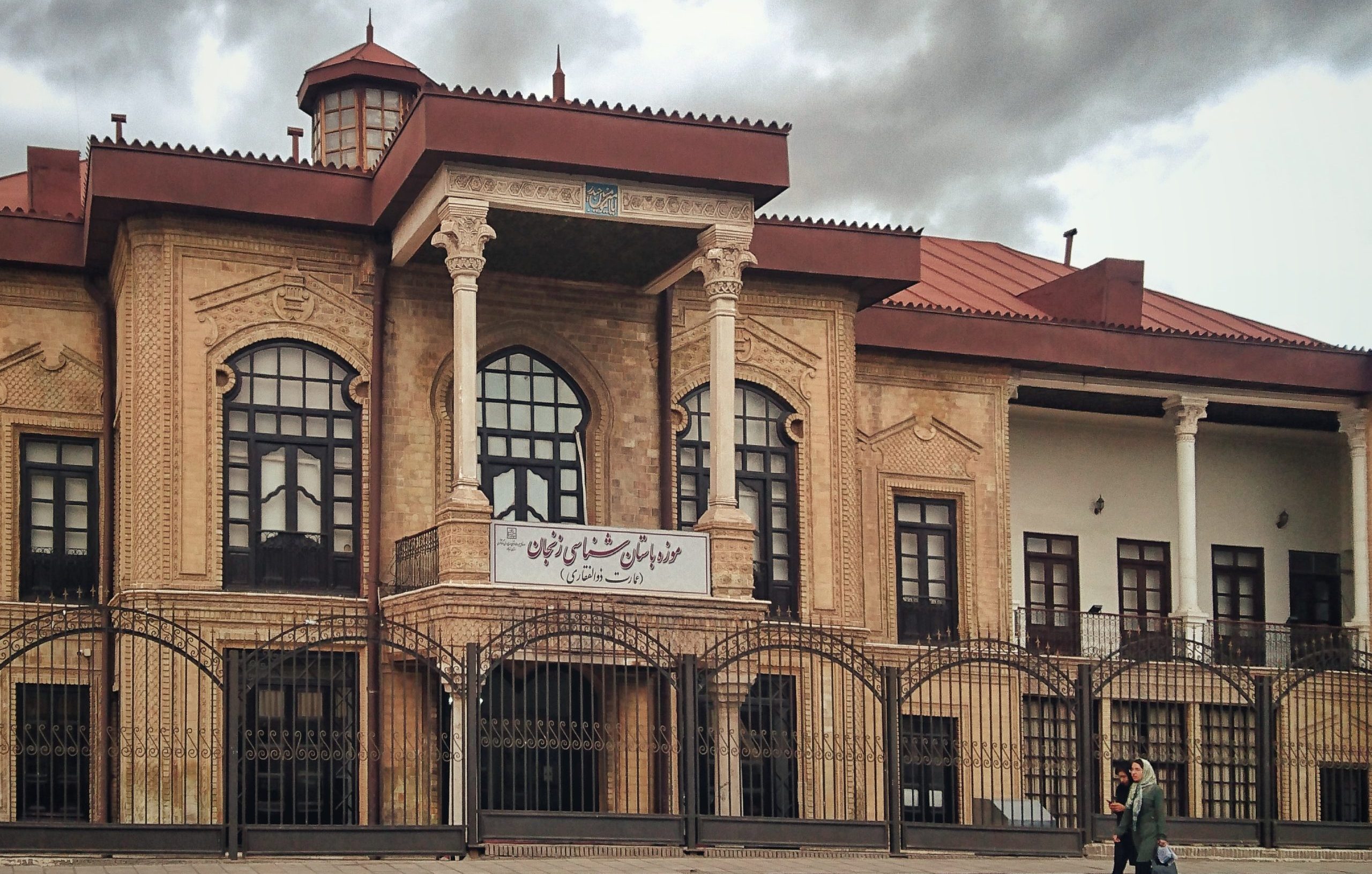
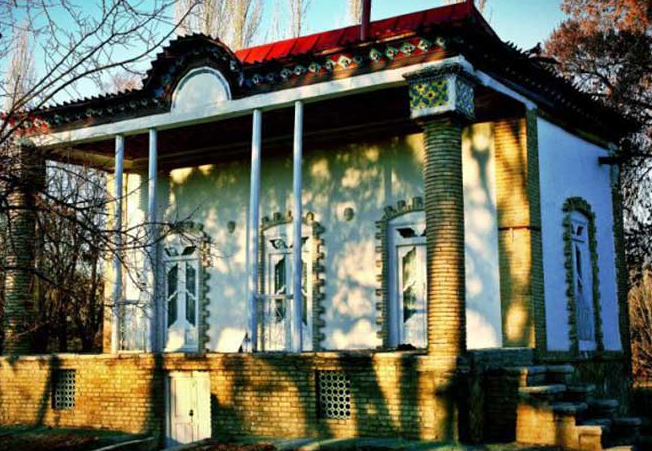
Zolfaghari Building
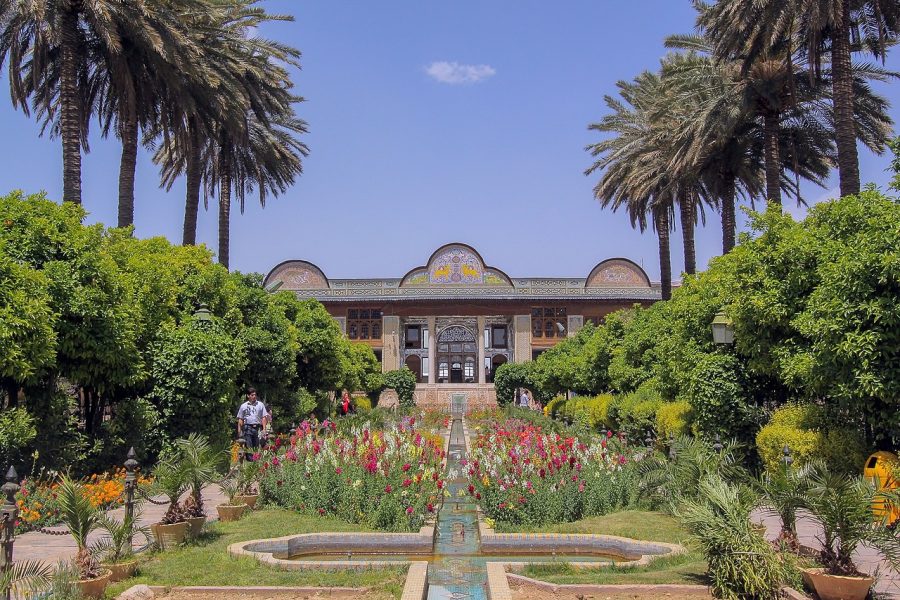
Moin al-Tojar House and Garden
Match Factory, which is currently reopened as a museum
Laundry Building
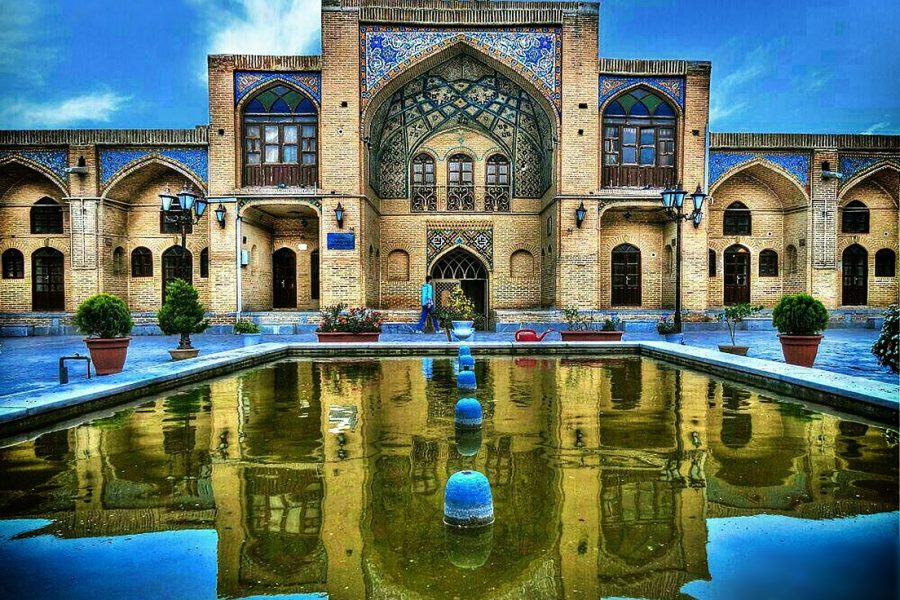
Stone Caravanserai
Dukhan Caravanserai
Hajdadash Bath
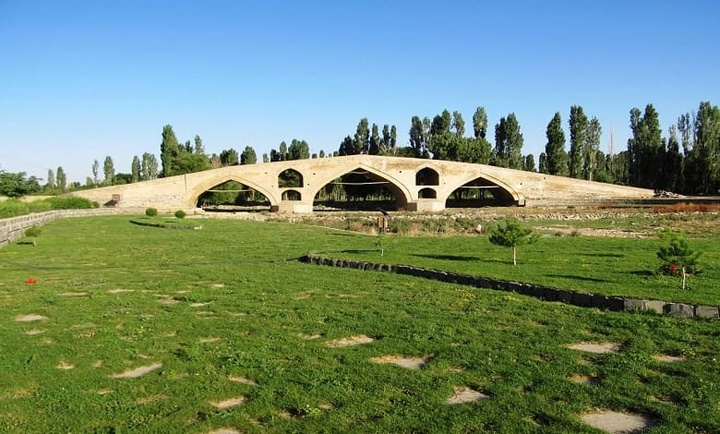
Sardar Bridge
Haj Seyyed Mohammad Bridge
Mir Baha'uddin Bridge
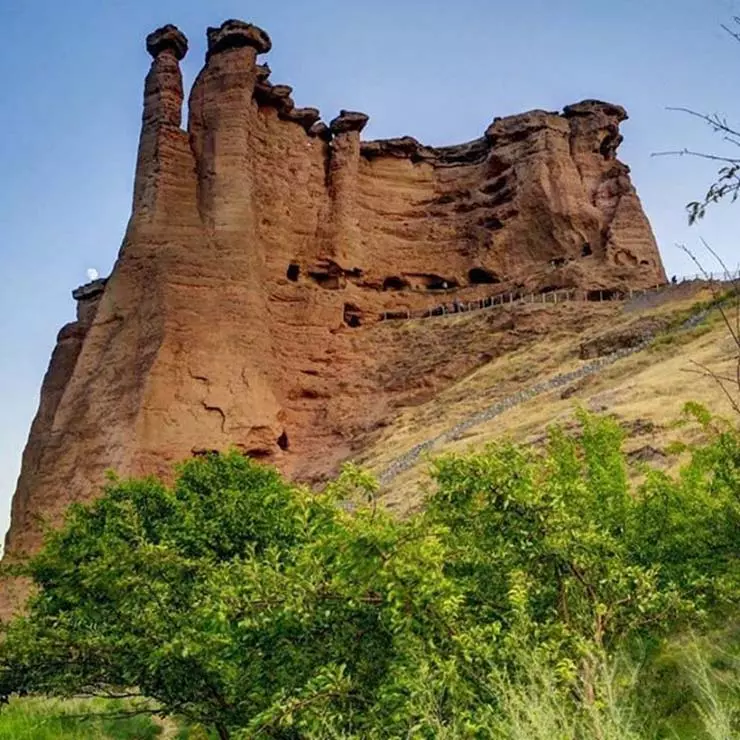
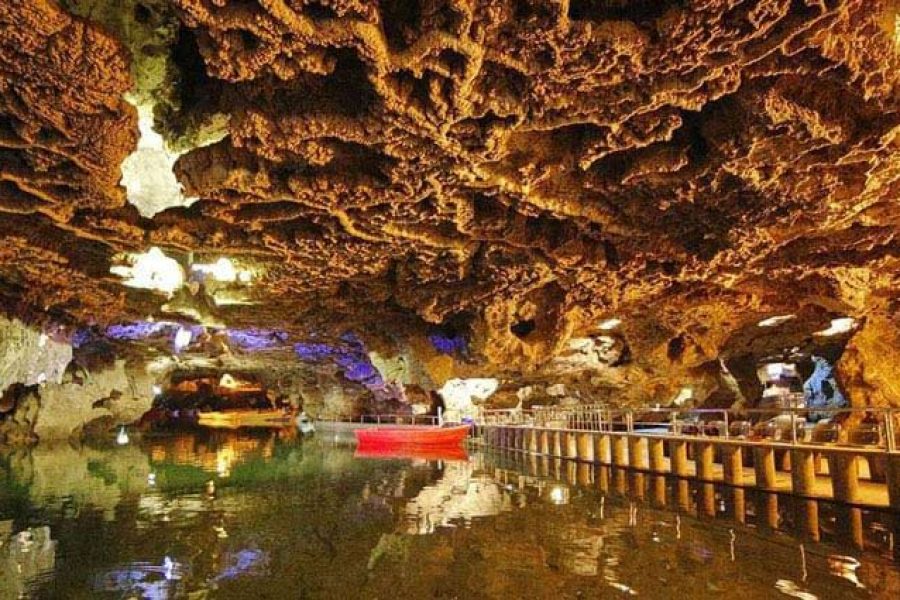
Other attractions of this city include the village of Shilander, Mil Khoyin, Sorkh-e-Ab Protected Area, Arana Waterfall, Haj Seyyed Mohammad Bridge, Kharmaneh Cave, Haji Kandi Cave, Dash-e-Kasan or Dragon Temple, Behestan Castle and the Jinn Chimney.
Iran is a land of a thousand climates and languages, but most people in Zanjan province speak Azerbaijani Turkish.Among the handicrafts and tourist souvenirs of Zanjan: Knife making is one of the most important and famous handicrafts of Zanjan, which has been popular in this province since ancient times. Charoq, embroidery, coppersmithing, embroidery, sculpture, traditional musical instruments, jewelry
We are getting to the delicious parts of the trip to Zanjan, namely the new food and cravings:
Jughor Baghor: Chopped white and black liver is fried with potatoes and onions and spices (salt, pepper, turmeric and other spices) are added to it.
Plum stew with chicken
Shesh Andaz: It is one of the traditional dishes common to Gilan, Shiraz and Zanjan, which is cooked in various ways in each of these cities. In Zanjan, this nutritious and tasty dish is mostly prepared during the Chaharshanbeh Soori ceremony, which bears a remarkable resemblance to Khagineh Khorma.
Elam Salat: It is an old dish of Zanjan that is cooked in Abhar. Meat, wheat, chickpeas, beans, lentils, carrots, beets, peppers, potatoes, oil, turmeric, apricots, and plums are used in cooking this dish.
gharabiyeh:
This sweet is made with a large amount of almonds, sugar, egg whites, and pistachios.
Chorak means bread and tea. Chorak (tea bread) is a simple, oval-shaped pastry with a few simple lines and sesame seeds on it.


 English
 فارسی
فارسی 




Leave a review