
 English
 فارسی
فارسی 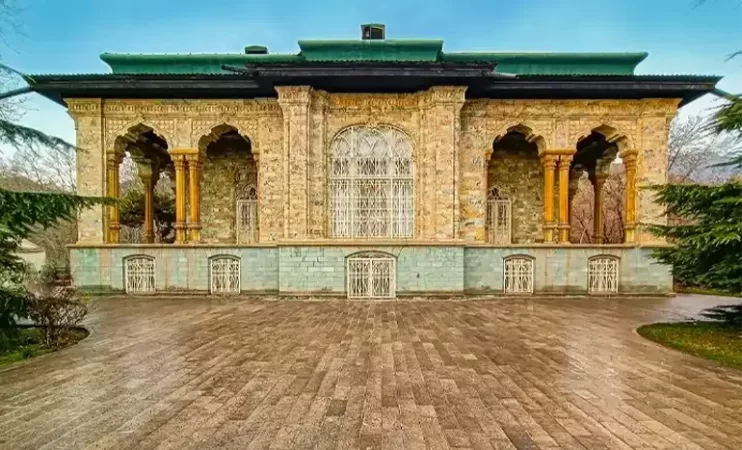

Introduction and History
The Saadabad Complex is located in northern Tehran, in the Shemiran district, on the slopes of the Alborz Mountains and the Darband valley. The complex covers about 110 hectares, consisting of natural forest, gardens, springs, qanats, pathways, and more than a dozen palaces. The earliest constructions date back to the Qajar era when the site served as a summer residence for Qajar kings. After the 1921 coup, during the reign of Reza Shah Pahlavi, the complex underwent major development and many new palaces were built. During the Pahlavi II period, Mohammad Reza Shah also used the complex extensively. After the 1979 Iranian Revolution, the complex was handed over to the Cultural Heritage Organization and transformed into public museums
:Palaces and Museums in the Saadabad Complex
The Saadabad Complex includes numerous palaces and museums, each with unique architectural and historical features. Below are the most important ones
White Palace (Mellat Palace)
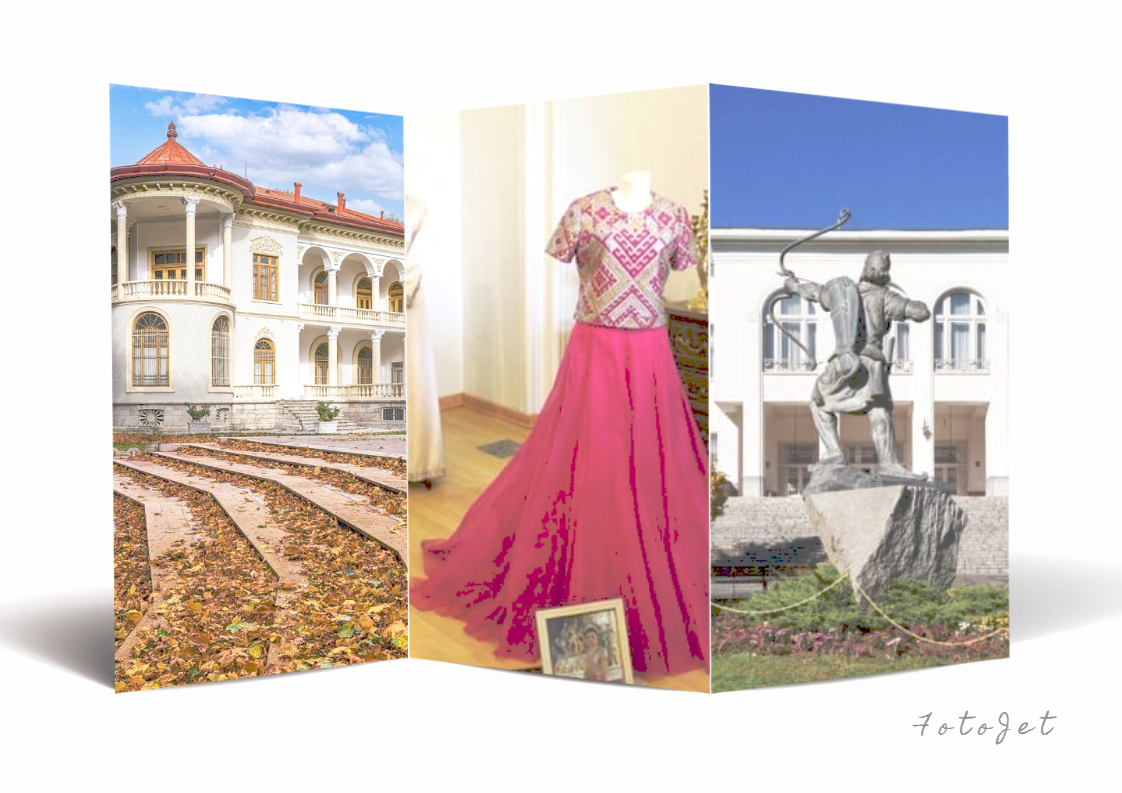
The largest palace in Saadabad. Its exterior is clad in white stone, featuring a blend of European classical and Iranian architectural styles. It served as the official residence of Mohammad Reza Shah and the Queen, hosting formal ceremonies. Inside, it contains ceremonial halls, artworks, Persian carpets, European crystal and chandeliers, and royal furnishings
Green Palace (Shahvand Palace)
Named for the green marble used on its exterior façade. Famous for its beautifully crafted Mirror Hall and handmade carpets. Served as one of the royal residences during the Pahlavi era
Museum of Fine Arts (Black Palace)
Known as the “Black Palace” due to the dark marble used in its structure. Currently houses a collection of fine arts including paintings and sculptures
Royal Clothing Museum
Located in Shams Pahlavi’s Palace. Displays royal garments from the Qajar and Pahlavi eras
Water Museum
Located in a former administrative building used for receiving special guests. Exhibits the history of water management, irrigation, and qanat systems in Iran
Royal Automobiles Museum
Showcases classic and royal cars used by the Pahlavi family.
Museum of Royal Weapons
Displays weapons, hunting equipment, and military gear belonging to the royal court
Royal Kitchen Museum
The former royal kitchen turned into a museum featuring cooking tools, royal tableware, and menu items used in the palace
Traditional Arts & Carpet Museums
These include miniatures, calligraphy, Persian carpets, and other traditional artworks
:Notable sections include
Mir Emad Calligraphy Museum
Master Behzad Miniature Museum
The Hope Brothers’ Museum
Dedicated to the adventures and travels of the Iranian world-travelers, the Omidvar Brothers.
Queen Mother’s Palace
Also known as the “Republic Building.”
Former residence of the Shah’s mother, now used for hosting state guests and generally closed to the public.
Architecture and Natural Landscape
The architecture of Saadabad is a fusion of Iranian and European styles, featuring mirror work, stucco art, murals, and marble decorations.The complex includes vast green spaces, tree-lined pathways, qanats, and natural springs that enhance its scenic beauty. The historic qanat system has long supplied water for the gardens
Current Status and Visiting Information
After the revolution, Saadabad became a public cultural-historical complex with many of its buildings turned into museums. In recent years, some museums have occasionally closed temporarily for conservation or pest control programs. The main entrances for visitors are the Darband and Zafaraniyeh gates. Visiting hours vary by season but usually run from morning to late afternoon. Due to the size of the complex, visiting all its museums may require several hours
Cultural and Historical Importance
Saadabad is a symbol of the Pahlavi era, reflecting royal lifestyle, ceremonial traditions, and Iran’s interaction with European arts. Its museums preserve significant elements of Iran’s cultural and artistic heritage. Today, it is one of the most popular tourist attractions in Tehran for both domestic and international visitors.
stay with Zhiva Parvaz to explore the top attractions of the great city of Tehran. If you want to travel to Tehran, please visit the tours section of the site
0 Comment