
 English
 فارسی
فارسی 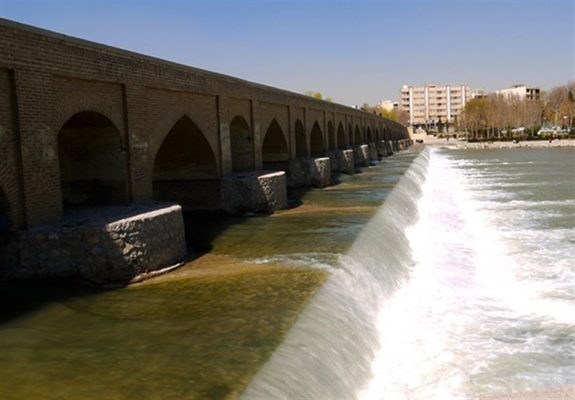

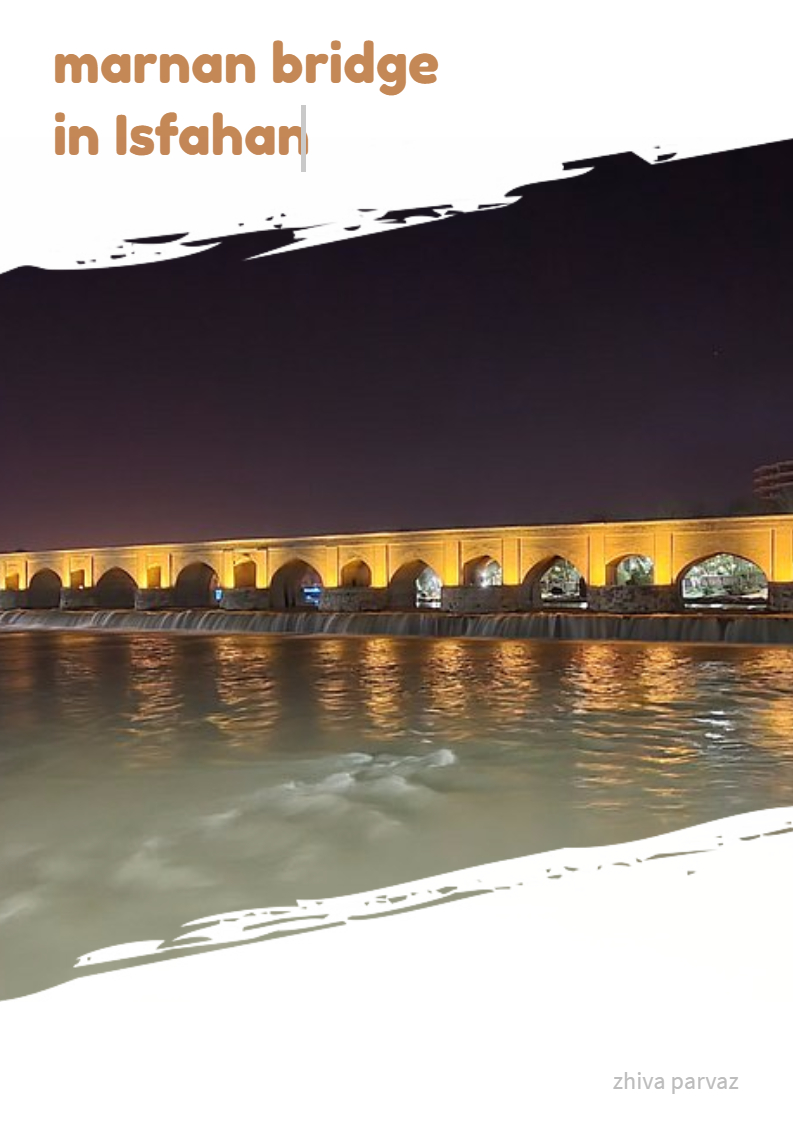
- The Zayandeh-Rood River flows from west to east through the ancient city of Isfahan, and this ancient Iranian city has always divided this land into two halves, northern and southern. The passage of this ever-living river, in addition to refreshing the beautiful city of Isfahan, has divided it into two parts, and to eliminate this gap, the construction of several bridges, including the Marnan Bridge, which is 160 meters long and has 17 spans, is planned.
- According to some experts, the name of this bridge was originally Marbin. Marbin is derived from the word Mehrbin, which is derived from the Avestan culture. According to experts, before the emergence of Zoroastrianism, the Mehrparastan Temple was located on top of Mount Atashgah, and all the surrounding villages could be seen from this place. The area where the Marnan Bridge is located was known as the Mehrbin Block, and it was known by this name due to the bridge’s proximity to the Mehrbin area. Later, the name of this bridge underwent minor changes and became known as Marnan.
- In another theory, the twist of the Zayandeh River in this section where the Marnan Bridge is located has caused the village near the bridge to be called Marnan, meaning spiral, and after the bridge was built, the village was also named after this bridge.
- The exact construction of the bridge is not known, but there are signs on the stone base of the bridge that date back to the Sassanid era, about 15 centuries ago. Marnan was the western bridge of Isfahan during the Safavid era.
- Zhiva Parvaz Agency suggests visiting and enjoying this beautiful bridge on your trip to Isfahan. Walking on the Marnan Bridge gives pedestrians a sense of peace and excitement at the same time.
0 Comment