
 English
 فارسی
فارسی 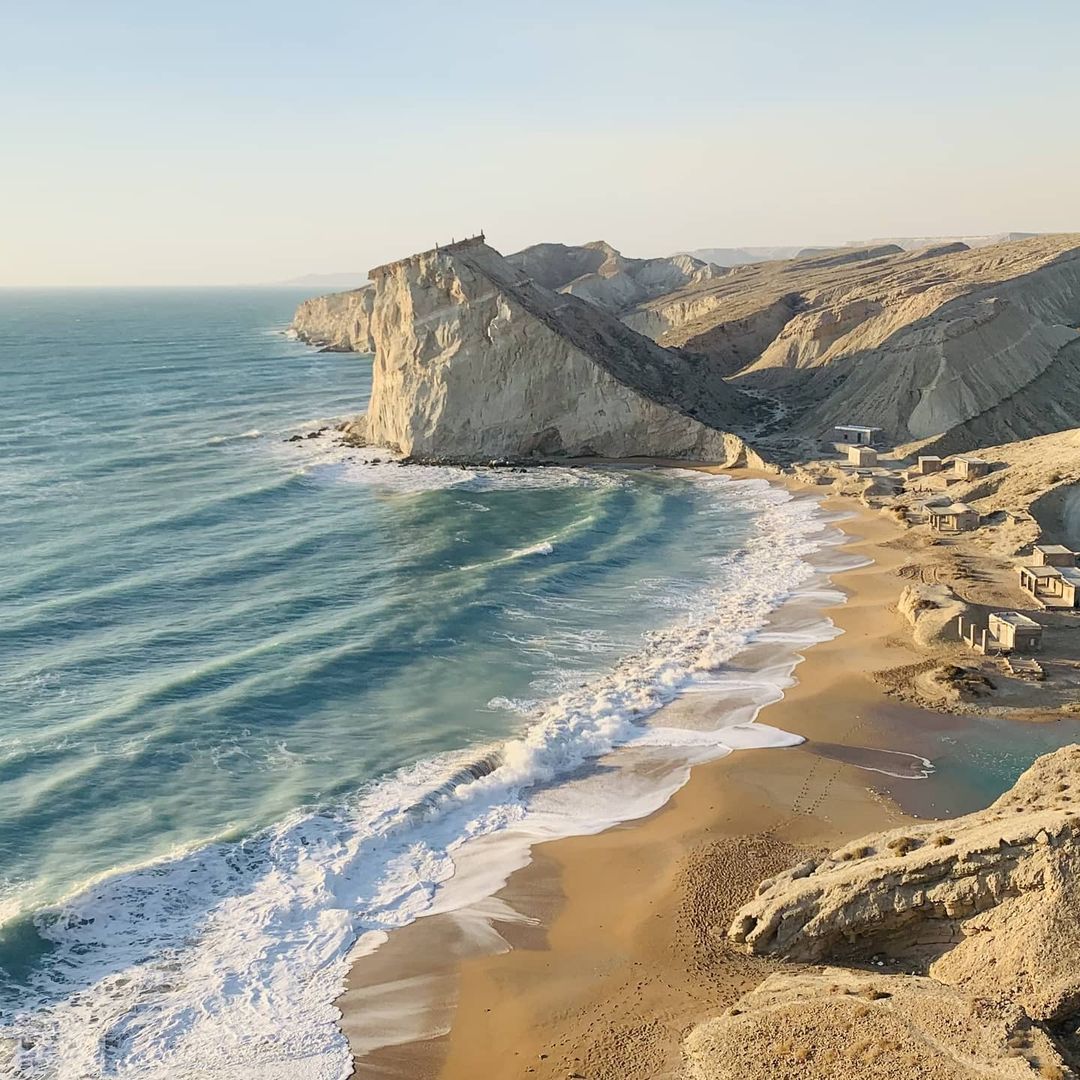

Hormozgan Province is one of the provinces of Iran, located in the southern part of the country
Hormozgan Province has fourteen (14) inhabited islands, which are as follows
Qeshm Island
Abu Musa Island
Kish Island
Lavan Island
Hendorabi Island
Shidour (Maran) Island
Lark Island
Hormuz Island
Hengam Island
Greater Tunb Island
Lesser Tunb Island
Siri Island
Greater Farur Island
Uninhabited Islands
Zarkuh Island
Ariana Island
Little Furur Island
The metropolis of Bandar Abbas, as the capital of the province, is today one of the major cities of Iran and an important center for economic and commercial activities. This city, located at the southern end of the Persian Gulf and at the junction of the Persian Gulf and the Makran Sea, plays a significant role in the country’s exports and imports
Qeshm Island
Qeshm Island is one of the islands of the Persian Gulf, recognized as the largest island in Iran and the Middle East, located in Hormozgan Province. Among the attractions of this island are: Hara forests, Kharbas caves, Chahkuh gorge, blue dolphins, the Persian Gulf, Star Valley, Nazz Islands, and Namakdan cave
Tourist Attractions
Salt Dome of Namakdan
The salt mountain or Namakdan Mountain is located in the southwest of the island. The height of this conical mountain reaches up to 397 meters (the summit of Namakdan Mountain). The salt structure of this mountain is formed from the accumulation of volcanic rocks with sediments. The salt dome mountain, along with the remnants of ancient salt mines and saline springs, has created a “natural historical site worth seeing” with educational and recreational facilities
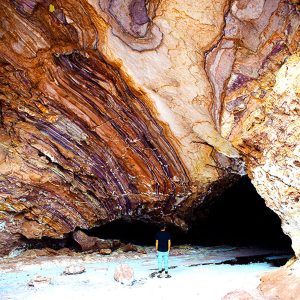
The Chah Kouh Gorge
The Chah Kouh Gorge (or the Chah Kouh Ravine) is one of the natural attractions of Qeshm Island. This gorge is located 70 kilometers from the city of Qeshm, next to the eastern Chaho village in the Shahab district and is part of the Qeshm Geopark. The Chah Kouh Gorge, with a depth of 100 meters, is a display of the erosion of sedimentary rocks and is recognized as part of the Qeshm Geopark, which has been certified by UNESCO
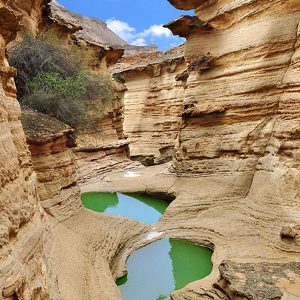
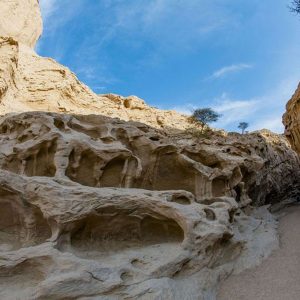
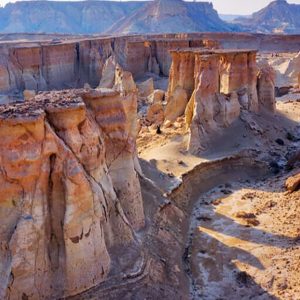
Star Valley
The village of Barke Khalaf is located five kilometers from the southern coast of the island. To the north of this village is Star Valley. The locals refer to this village as Estaleh. However, the name Star Valley for this unique geological phenomenon has become established
Xorbas Cave
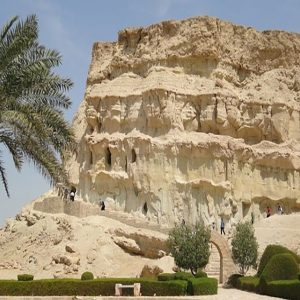
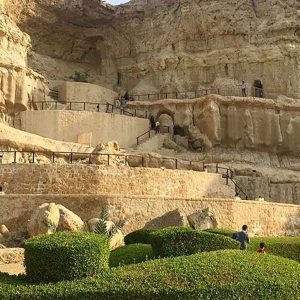
Xorbas Cave is located in the south of the island, fifteen kilometers from the city of Qeshm, on the right side of the road from Qeshm to the village of Kharbas and the village of Ramchah. In the heart of the heights of the village of Kharbas, there are signs of rock architecture that some researchers believe were shrines for the worship of the followers of Mithraism and a place of worship for Anahita (the goddess of water)
Portuguese Fortress
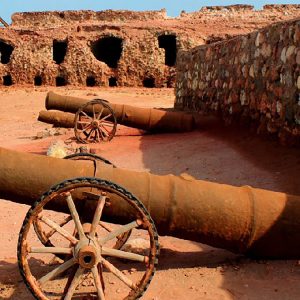
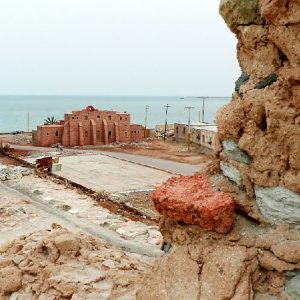
The remains of the Portuguese fortress in the city of Qeshm and other forts in Eastern Lavan, known as the Naderi forts—which were equipped with large cannons of that time—can be seen in Qeshm. This fortress was responsible for supporting the Hormuz Castle, including providing fresh water for the Portuguese fortress in Hormuz. The construction of this castle in 1621 led Shah Abbas to take action against the Portuguese and expel them from the shores of the Persian Gulf
Hengam Island
Hengam Island is one of the islands of Iran in the Persian Gulf, located about 50 square kilometers in area south of Qeshm Island in Hormozgan Province, and has mines of salt, clay, and lead
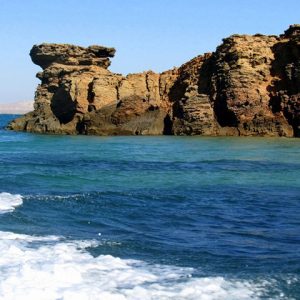
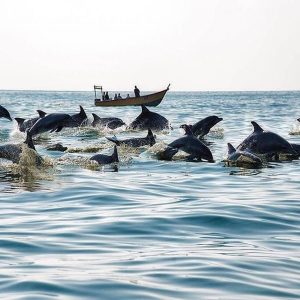
Hengam is mostly famous for its natural and astonishing attractions. One of these attractions is the presence of dolphins in the waters near the coast of this island. Additionally, the presence of edible red soil and the existence of unique plant and animal species in this area, as well as the uniquely carved stones shaped by nature into interesting forms, are among the other wonders of this island. Hengam is located about 2 kilometers from the coast of Qeshm
Attractions
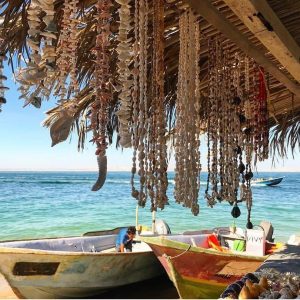
The wildlife of Hengam Island, especially dolphins, gazelles, hawkbill turtles, and Egyptian goosefoot, are among the attractions of this island. The island’s silver beach, which has taken on this color due to the presence of certain shiny minerals, is another attraction of the island. At certain times of the year, during the night, the beach of the island turns a phosphorescent blue due to the presence of phytoplankton
Hormuz
Hormuz is an Iranian island in the Persian Gulf, located 8 kilometers from Bandar Abbas. Hormuz is considered the key to the Persian Gulf due to its geographical location and proximity to the Strait of Hormuz. This very position has made it strategically and commercially significant throughout history. Hormuz was occupied by the Portuguese for over a century and was finally recaptured in 1622 during the reign of Shah Abbas
The name Hormoz, according to historical sources, used to be “Hurmuq,” which means palm in the local dialect of Hormozgan province
Attractions
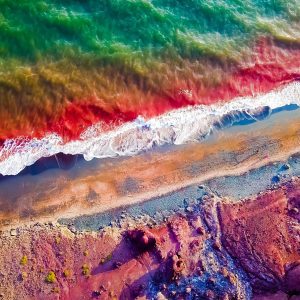
Red Beach
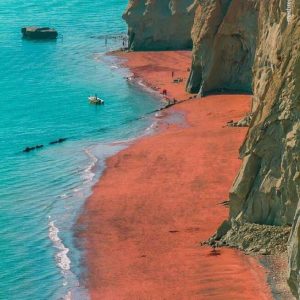
Red Beach is similar in color to Mars. Although the red color can be seen throughout the island of Hormuz and has become a symbol of the island, it is much more tangible and pronounced at Red Beach and in the red soil mine. The sea water at Red Beach appears red for several meters, and the reason for this is the dissolution of mineral substances from the soil in the seawater
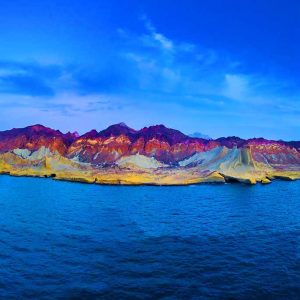
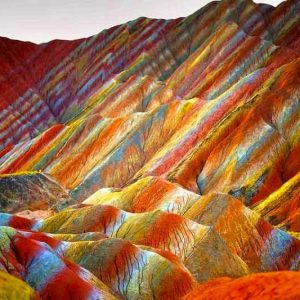
Rainbow Valley
The most famous attraction of Hormuz Island is Rainbow Valley, which is made up of more than seventy different shades of color. The diversity of rocks and various minerals has turned Hormuz into a potential destination for geological tourism. In this valley, the minerals that make up different rocks are layered upon each other or placed next to one another, vividly presented before your eyes
The Valley of Statues
The Valley of Statues is located near the coast in the mountainous southwestern part of the island. This valley features rocks in various shapes, each resembling an animal, a ram’s head, a chicken, and various dragons. Along the valley, the path narrows and suddenly reaches a cliff with a height of about 40 meters. The view of the valley is entirely facing the Persian Gulf
Elahe Namak
The Alah-e Namak mountain is actually a large salt crystal. This mountain and the cave inside it have formed over many years due to geological activities and water and wind erosion. Unlike other mountains, Alah-e Namak does not reflect sound. Beneath Alah-e Namak, water flows with an orange color. The flow of this water, with the help of other natural phenomena, has led to the emergence of the Alah-e Namak cave or the turquoise cave in the heart of Alah-e Namak over the years
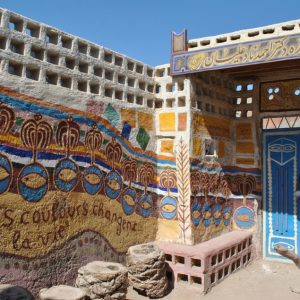
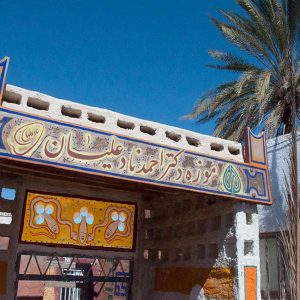
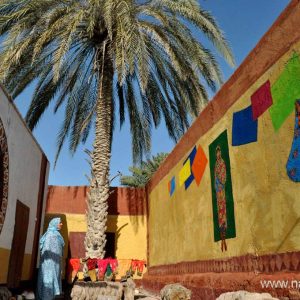
Dr. Nadealian Museum
The Dr. Nadealian Museum, also known as the Ahmad Nadealian Museum and Gallery, encompasses the works of Ahmad Nadealian. His ecological art projects include rock engravings, and in addition to his own works, the museum also displays the works of local indigenous women, remnants of marine creatures, and dolls made from recycled materials
Kish
Kish Island is a recreational and sports island in the Bandar Lengeh County, Hormozgan Province, located in the south of Iran in the Persian Gulf. Due to the existence of a free trade zone, recreational and commercial centers, tourist attractions, and numerous hotels, Kish is considered one of the major tourist destinations in Iran
Kish Island is the third most visited holiday destination in the Middle East after Dubai and Sharm El Sheikh
Historical Attractions
Among the historical attractions of Kish, we can mention the ancient city of Harireh, Kariz, the five-windcatcher water reservoir, Masjid Mashe, and Masjid Amir
Harireh is the name of an abandoned city related to the Qaisar period, named after a lady who was the queen of the city. Currently, a part of the city that housed the palace of Lady Harireh has been restored. The most important structures discovered in this complex include the noble residence, bathhouse, water reservoir, qanat, and the remnants of the Harireh Grand Mosque
The Anthropology House of the Indigenous People of Kish is one of the oldest houses on Kish Island, featuring a completely native architectural style. This historical house belonged to Haj Abdullah bin Shahin, a pearl merchant and the owner of one of the largest sailing ships of that time. He was also skilled in carpentry and shipbuilding
This historical house was converted into the anthropological museum of the indigenous people of Kish Island in Farvardin 1393 (March-April 2014) to introduce the history, culture, customs, and handicrafts of the island’s natives. This museum was awarded the prestigious title of the best museum in the country for the year 98-99 (2019-2020) by the International Council of Museums (ICOM)
Attractions
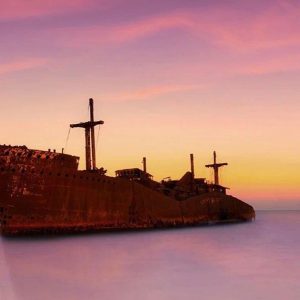
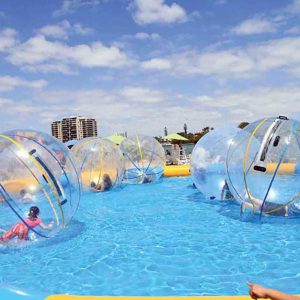
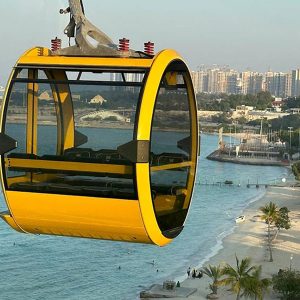
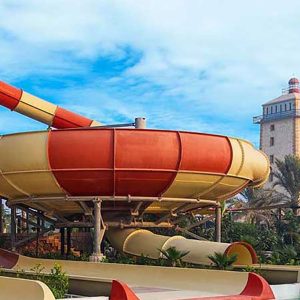
Kish Island has gained attention in recent years due to its tourist nature. In addition to the historical sites that attract tourists, there are beach parks and recreational areas such as Snowy Penguin Park, Ocean Water Park, Art Park, sandy-coral beaches, zoo, aquarium, Kish Bird Garden, Kish Dolphinarium, underground city of Kariz, Mikamal Cable Car, Hoor Cabin, recreational boats, and also the stranded Greek ship are among the attractions of Kish
Other recreational attractions in Kish include Kish Cable Ski Park, Garden Path, Snowy Penguin Park, marine entertainment, diving, motorcycling, and a tour around the island of Kish
0 Comment