
 English
 فارسی
فارسی 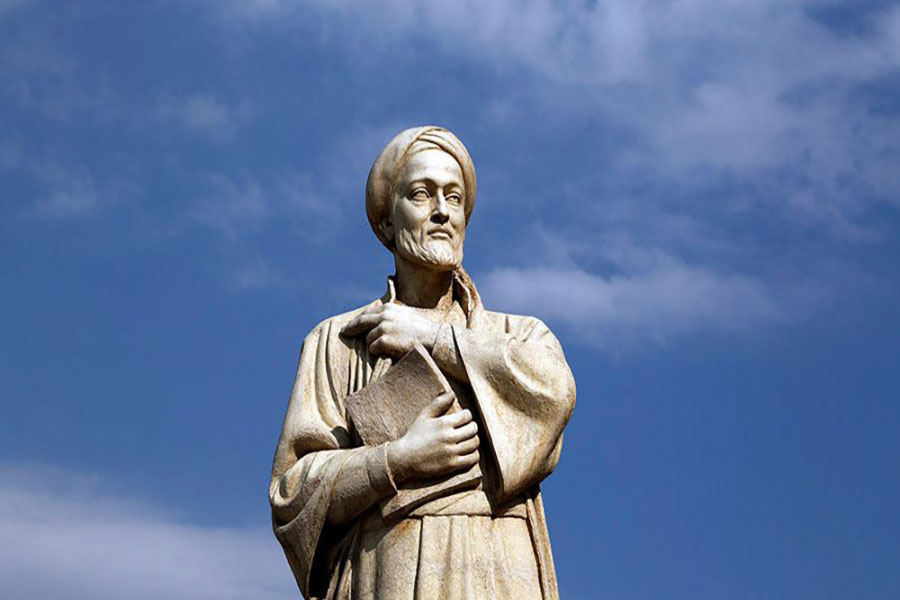

Abu Ali Hussain ibn Abdullah ibn Hassan ibn Ali ibn Sina, commonly known as Abu Ali Sina, Ibn Sina, Pur Sina, and Sheikh al-Ra’is (circa 980–1037 AD/370–428 AH), was a polymath, physician, mathematician, astronomer, physicist, chemist, geographer, geologist, poet, logician, philosopher, musician, and Iranian statesman. He is one of the most renowned and influential philosophers and scientists of Iran and the world, particularly recognized for his works in philosophy and medicine
His birthday in Iran, that is, September 1st, has been named Doctor’s Day
His main works are two comprehensive scientific and philosophical encyclopedias named “Book of Healing” and “Alai Encyclopedia”, as well as “The Canon of Medicine” which is one of the most famous works in the history of medicine
He has written 450 books in various fields, many of which are about medicine and philosophy. George Sarton, in his book “The History of Science,” considers him one of the greatest thinkers and medical scientists. He also regards him as the most famous scholar of the land of Iran, known as one of the most renowned throughout all times, places, and races. Additionally, he is counted among the great philosophers of the world. The Encyclopedia of Philosophy at the University of Tennessee identifies Avicenna as the most influential philosopher in the world prior to the modern era
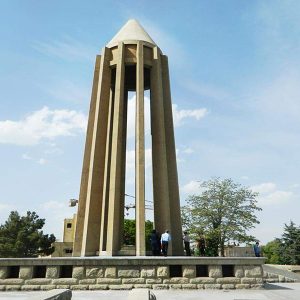
The tomb of Ibn Sina
The tomb of Ibn Sina was buried in Hamadan, and the tomb of Avicenna is currently located in this city. The tomb of Pour Sina is one of the main squares of the city. This tomb was built in 1327 in the solar calendar based on the design that won the competition by Houshang Seyhoun
0 Comment