
 English
 فارسی
فارسی 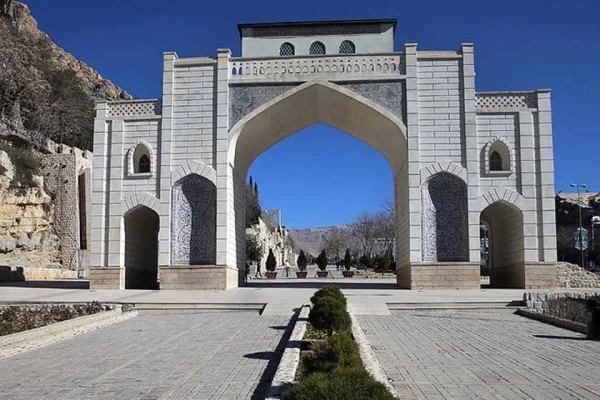

- Shiraz is an ancient city with many tourist attractions in the south of the country, and the Quran Gate is one of the remaining gates from ancient times in Shiraz, which is located at the beginning of the city entrance, and you can visit these beautiful historical monuments with the Shiraz Tour and Zhivaparvaz Agency, which is known today as one of the tourist attractions of Fars Province.
- This building, which has been destroyed and rebuilt many times over time or due to natural disasters and various incidents, has always welcomed tourists.
- The Quran Gate of Shiraz is a place where art and the spirit of Iranian culture come together. The Quran Gate of Shiraz has gone through many stories from the past to the present and is known today as the symbol of the city of Shiraz. In fact, the Quran Gate in the modern landscape of Shiraz, beyond a symbolic entrance, has become one of the most visited tourist spots in the city.
- Travelers and even locals visit this place at different times of the year, especially on holidays and special occasions, to spend their leisure time in an environment that combines history and entertainment. Additional facilities such as parking, souvenir shops and cafes nearby also contribute to the well-being of tourists and make the experience more memorable.
- The main arch of the gate is shaped in accordance with classical Iranian patterns and an attempt has been made to give a special look to the entrance to the city with an impressive height. On the exterior and interior, tiles with geometric designs and Islamic motifs have been used, reminiscent of the artistic elegance of the Zand and Qajar eras. Stone inscriptions and Quranic writings are also seen at key points of the gate to emphasize the religious identity of the main building.
- On the other hand, attention to structural issues and the use of more resistant materials have been carried out in harmony with contemporary architectural developments. This complex, while adhering to the traditional concept of “city gate”, represents a conscious movement in the recreation of a historical monument and is considered a useful model for other reconstruction projects in the old fabric of Shiraz.
- This gate was built by order of Azad al-Dawlah Daylami in the 10th century AD and the reason for its name is the Quran that was placed in it by the emir’s order so that travelers would be blessed and pass through it safely.
- This arch fell into ruin over time until during the Zand Dynasty, Karim Khan Zand renovated it, added a room above it and placed two large and exquisite volumes of the Quran, in the handwriting of Sultan Ibrahim bin Shahrukh Timurid, in the room above it. These Qurans, known as “My Seventeen Qurans”, have now been transferred from the Quran Gate to the Pars Museum.
- The building stood until 1315 AH. In that year, in order to widen the road, the old gate was severely destroyed with dynamite by order of the Shiraz Municipality. Later, due to the lack of gates and the concerns of the people of Shiraz about this issue, the current gate was built a little lower than the previous gate by the efforts of a merchant from Shiraz named Hajj Hussein Aygar, known as Etemad al-Tojar, in 1327 AH.
- The new gate was built in a larger size, including a pointed arched opening and two small entrances on the niches on both sides and a rectangular room above it to place the Quran.
- The people of Shiraz had a special belief in passing under the Quran of this gate. According to an old custom, the people of Shiraz would come to this gate on the first day of each lunar month and pass under this Quran, thus insuring themselves against disasters until the end of the month under the protection of this heavenly book.
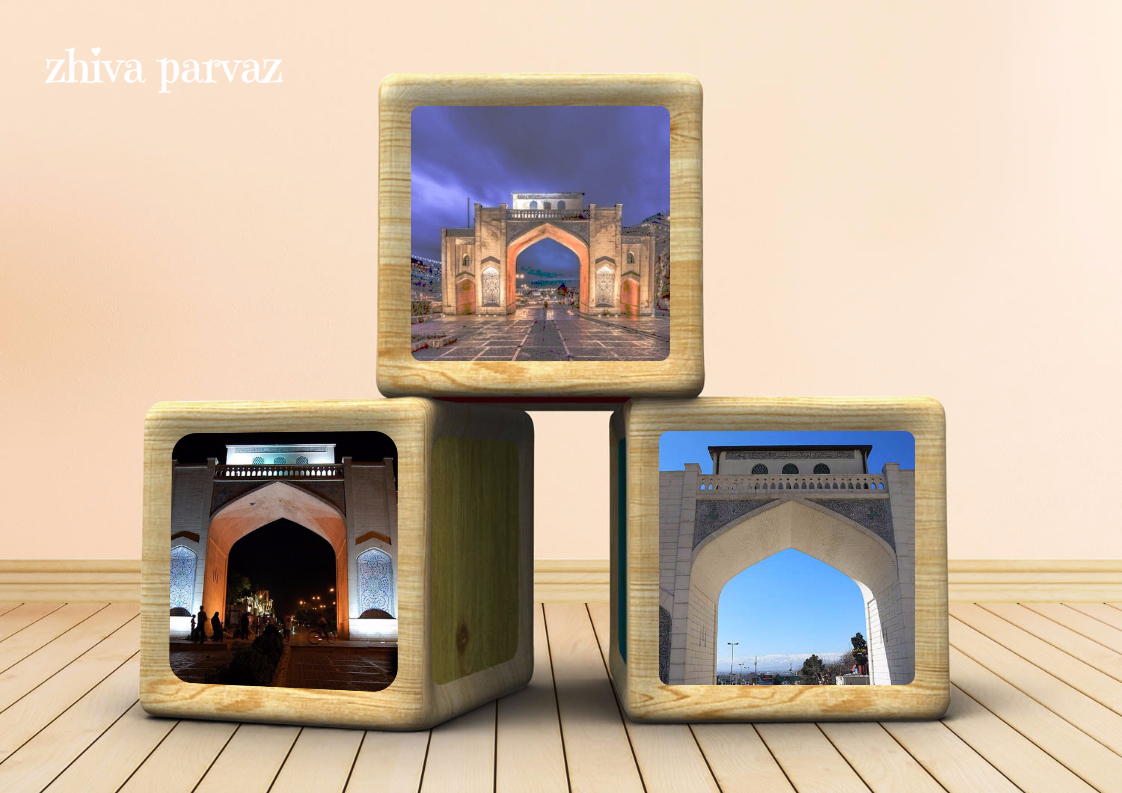
- The area around the gate, including green space, night lighting, and easy access to other historical and cultural attractions such as the Tomb of Khaju Kermani, has multiplied the appeal of being in this area.
- The Quran Gate is located less than ten meters from the Tomb of Khaju Kermani, less than five hundred meters from the Jahan Nama Garden, and less than a thousand meters from the tomb of the famous Persian poet, Hafez Shirazi, so you can easily access other historical monuments in Shiraz. Zhivaparvaz suggests traveling to Zhivaparvaz as soon as possible and don’t miss this memorable experience with us.
0 Comment